
Sweden's culinary landscape is often overshadowed by its Nordic neighbours, yet its food traditions offer a fascinating window into centuries of coastal living, harsh winters, and communal celebration. Among the many dishes that define Swedish gastronomy, few carry as much cultural weight as pickled herring, known locally as sill. This humble fish, transformed through generations of preserving techniques, tells a story of resourcefulness and festivity that continues to shape how Swedes eat and celebrate today.
Key takeaways
- Pickled herring, known as 'sill', is a fundamental staple of Swedish gastronomy with deep historical roots tied to preserving food for long winters.
- The herring trade was vital to the economic development of Swedish coastal communities and evolved from a survival necessity into a culinary art form.
- Sill is an essential component of major Swedish celebrations, particularly during Midsummer and the Christmas 'julbord', serving as a symbol of cultural continuity.
- Traditional varieties like matjes, mustard, and onion herring showcase how a single base ingredient can be transformed through diverse pickling methods.
- Regional and family-guarded recipes often feature unique spice blends, including allspice, dill, juniper, or lingonberry, passing down techniques through generations.
- Contemporary Swedish chefs are revitalizing herring by experimenting with modern ingredients like citrus and chili, ensuring the dish remains relevant to younger diners.
- Authentic sill can be best experienced in Stockholm's historic food halls, regional markets, and traditional, family-run coastal restaurants.
The Rich Heritage of Sill in Swedish Gastronomy
To understand Swedish food culture, one must first appreciate the deep roots of herring in the region's history. Long before refrigeration existed, coastal communities relied on salting and pickling as the only reliable ways to preserve their catch through long, dark winters. Herring, abundant in the surrounding seas, became a staple that sustained generations of families.
Historical Significance of Pickled Herring in Scandinavian Culture
The practice of preserving herring dates back to mediaeval times, when trade routes across the Baltic Sea made salt and vinegar valuable commodities. Fishermen and merchants developed pickling methods not merely as a means of survival but as a way of creating something genuinely delicious from a simple ingredient. Over time, this necessity evolved into an art form, with different regions developing their own signature brines and spice blends. The herring trade, in fact, played a significant role in shaping the economic fortunes of towns along the Swedish coastline, with entire communities built around fishing and preservation industries.
The Role of Sill in Swedish Festivities and Celebrations
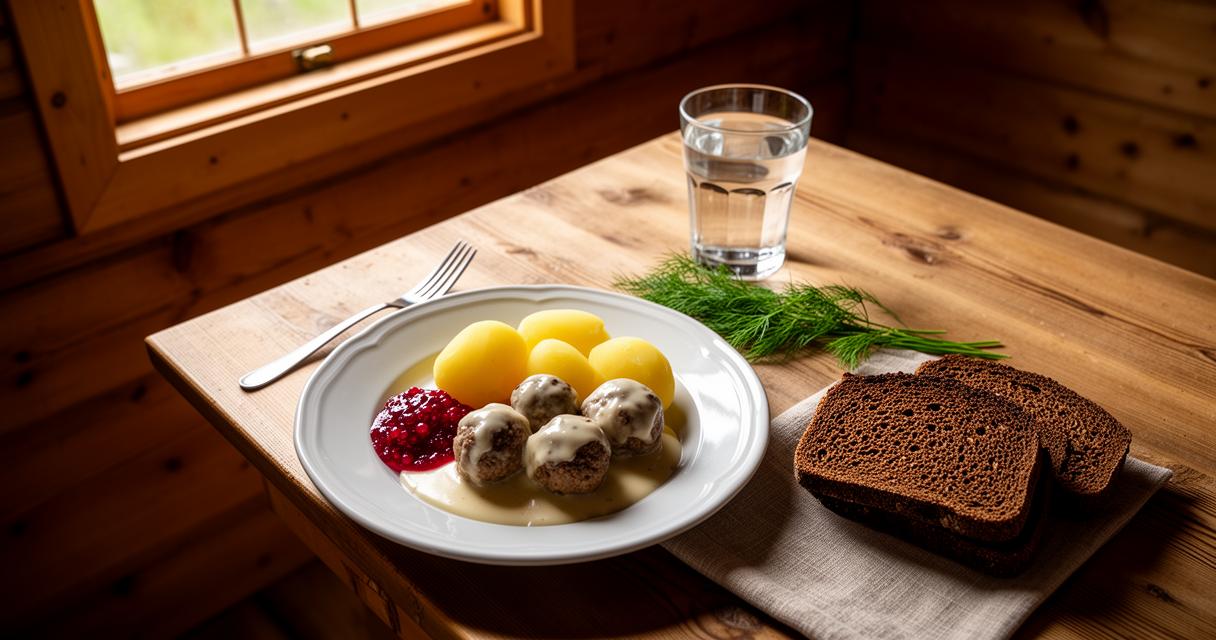
No Swedish celebration feels complete without a spread of pickled herring gracing the table. During Midsummer, families gather to enjoy sill alongside new potatoes, sour cream, and chives, marking the arrival of longer days with a meal steeped in tradition. Similarly, at Christmas, the julbord, or festive smorgasbord, would be unthinkable without several varieties of herring taking pride of place. This isn't simply about taste; it's about continuity, memory, and the sense of belonging that shared food rituals bring to Swedish households across generations.
Traditional Varieties and Preparation Methods of Swedish Pickled Herring
What makes Swedish sill so captivating is the sheer diversity of preparations available, each offering a distinct flavour profile whilst honouring the same foundational technique of curing fish in a flavourful brine.
Classic matjes, mustard, and onion-based recipes
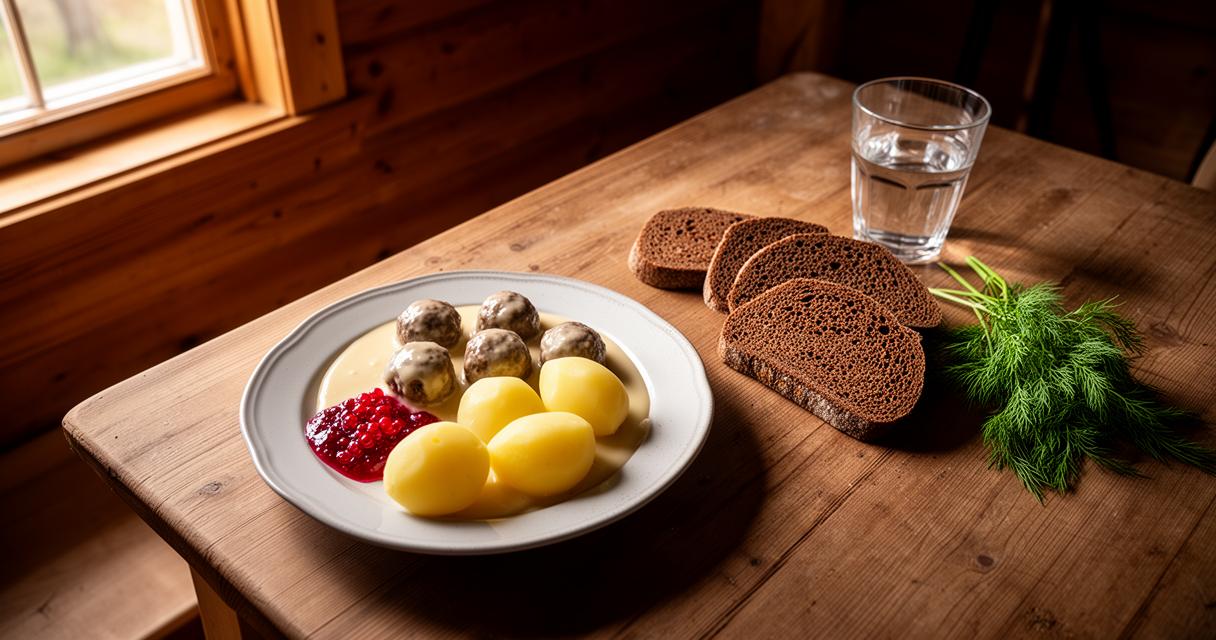
Among the most beloved varieties is matjessill, a delicately sweet and mild preparation made from young herring that hasn't yet spawned, resulting in a tender, less oily texture. Mustard herring, or senapssill, brings a tangy, robust character thanks to a creamy mustard dressing that clings beautifully to each fillet. Meanwhile, onion herring, known as löksill, combines the sharpness of raw onion with a vinegar-based marinade, creating a refreshing contrast that pairs wonderfully with rye bread and boiled potatoes. Each variation demonstrates how a single ingredient can be reimagined countless times without ever losing its essential character.
Regional variations and family-treasured pickling techniques
Beyond the well-known classics, Sweden's regions boast their own closely guarded recipes passed down through families for generations. Some households favour a spicier brine infused with allspice and bay leaves, whilst others lean towards sweeter preparations using sugar and dill. Coastal communities in the north often incorporate juniper or lingonberry for a distinctly Nordic twist. These variations are rarely written down; instead, they're memorised and adjusted by taste, making each family's sill genuinely unique. There is also a delightful diversity in how herring is served:
- Chilled and served simply with boiled potatoes and sour cream
- Layered into open sandwiches, or smörgåsar, with pickled cucumber
- Incorporated into more elaborate salads with beetroot and apple
This flexibility ensures that sill remains relevant across everyday meals and grand celebrations alike.
Modern Interpretations and Where to Experience Authentic Sill Today
Whilst tradition remains central to Swedish herring culture, a new generation of chefs has begun reinterpreting this classic dish, proving that even centuries-old recipes can evolve without losing their soul.
Contemporary swedish chefs reinventing traditional pickled herring
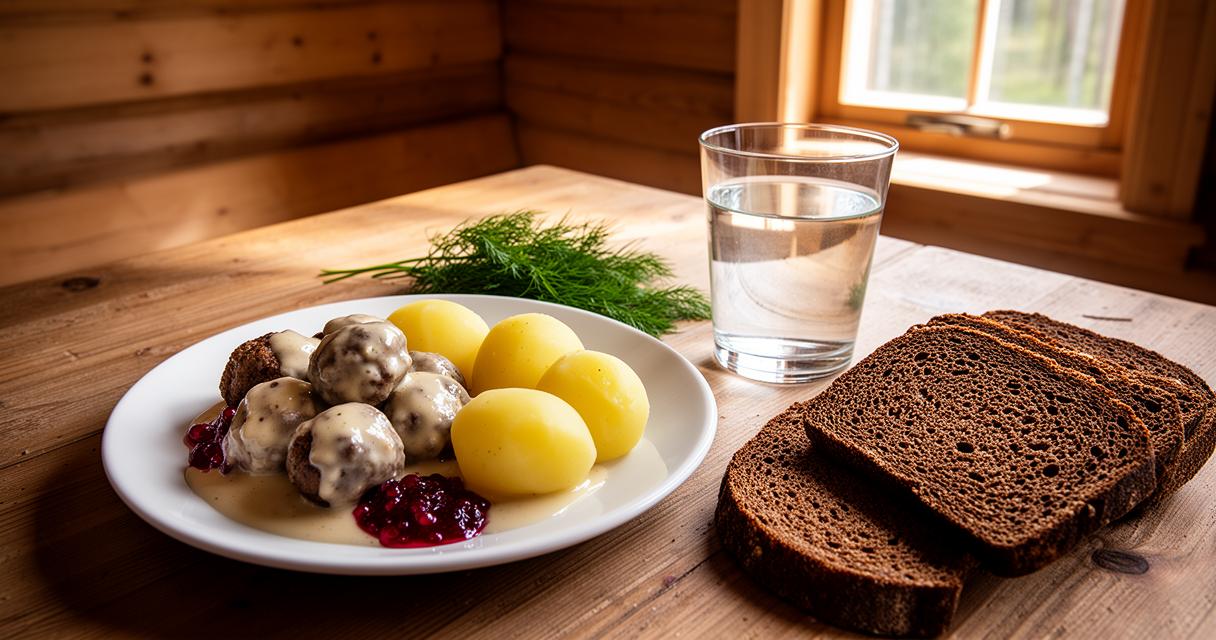
Innovative kitchens across Stockholm and Gothenburg have started experimenting with unexpected flavour pairings, introducing elements such as citrus zest, chilli, or even Asian-inspired spices into traditional brines. Rather than abandoning heritage techniques, these chefs are building upon them, using modern presentation and unconventional garnishes to introduce sill to younger diners and international visitors who might otherwise overlook this quintessentially Swedish dish. This creative reinvention has helped elevate herring from a purely nostalgic food to a genuinely exciting culinary experience.
Best Restaurants and Markets to Sample Genuine Swedish Sill
For those keen to taste authentic sill, Sweden offers no shortage of destinations. Stockholm's bustling food halls, particularly those in the Östermalm district, showcase an impressive array of herring varieties from local producers, allowing visitors to sample several styles in one sitting. Coastal towns such as Gothenburg and Malmö also boast family-run establishments where recipes have remained unchanged for decades, offering a genuine taste of tradition. Meanwhile, smaller markets throughout the countryside often sell homemade versions crafted using recipes unique to that particular village or region. Whether enjoyed in a formal restaurant setting or purchased fresh from a market stall, sill remains one of the most authentic and rewarding culinary experiences Sweden has to offer, connecting visitors to centuries of history with every single bite.