
There is a particular kind of light that falls across Thailand in the late afternoon, softening temple spires and turning the rivers to bronze, and it was in that light that I first understood why so many travellers end up calling this country a second home. From the chaotic charm of Bangkok to the quiet hills surrounding Chiang Mai, and onward to the limestone islands of the south, Thailand offers a rare blend of adventure, spirituality and warmth that keeps drawing people back long after their first visit has ended.
Key takeaways
- Thailand captures travellers' hearts through a unique blend of vibrant urban centers, serene mountainous landscapes, and stunning coastal beauty.
- Bangkok serves as a city of contrasts where traditional river life and ancient temples coexist harmoniously with modern, bustling skyscrapers.
- Chiang Mai and the northern regions offer a contemplative atmosphere defined by historic walls, misty mountain peaks, and a slower, more bohemian pace of life.
- Sustainable tourism is becoming a priority in southern destinations like Krabi and Koh Samui, where local operators are focusing on coral protection and waste management.
- Visitors should immerse themselves in Thailand's rich cultural tapestry by respecting Buddhist traditions, local customs, and strict lese majeste laws.
- Authentic exploration of Thailand involves experiencing diverse regional cuisines and interacting with locals to foster genuine cultural connections.
- The country remains highly accessible for travellers, offering a comfortable balance between affordability and the infrastructure needed for extended stays.
Discovering thailand's urban treasures: from bangkok's vibrant streets to chiang mai's cultural heart
Bangkok: where tradition meets modernity along the chao phraya river
Bangkok rarely allows for a gentle introduction. The city announces itself through tuk-tuk horns, sizzling street food carts and the golden glint of temple roofs peeking between glass skyscrapers. Yet beneath the apparent chaos lies a rhythm shaped by the Chao Phraya River, which has served as the city's lifeblood for centuries. Long-tail boats still ferry commuters and visitors alike past riverside markets and centuries-old wat complexes, offering a glimpse of a slower, more traditional Bangkok that persists alongside its modern skyline. Wandering through the old quarter near Wat Arun, or sipping tea in a quiet courtyard just streets away from Sukhumvit's neon glow, it becomes clear that Bangkok is a city of contrasts that somehow function in harmony.
Chiang mai: a gateway to northern thailand's temple-rich landscapes
Heading north, the pace shifts entirely. Chiang Mai feels like Bangkok's more contemplative sibling, with its old city walls, moss-covered temples and mountain air. This is where many travellers, myself included, first felt the pull of Thailand becoming something more than a holiday destination. The city's Sunday walking market, the misty peaks of Doi Suthep, and the surrounding countryside dotted with rice paddies all contribute to a sense of belonging that's difficult to shake off. Nearby, the tiny town of Pai offers an even more laid-back extension of this experience, drawing backpackers and long-term travellers who fall for its bohemian charm and surrounding waterfalls.
Island Paradise and Coastal Gems: Sustainable Exploration of Krabi, Koh Samui, and Beyond
Krabi's limestone cliffs and pristine beaches: a natural wonder
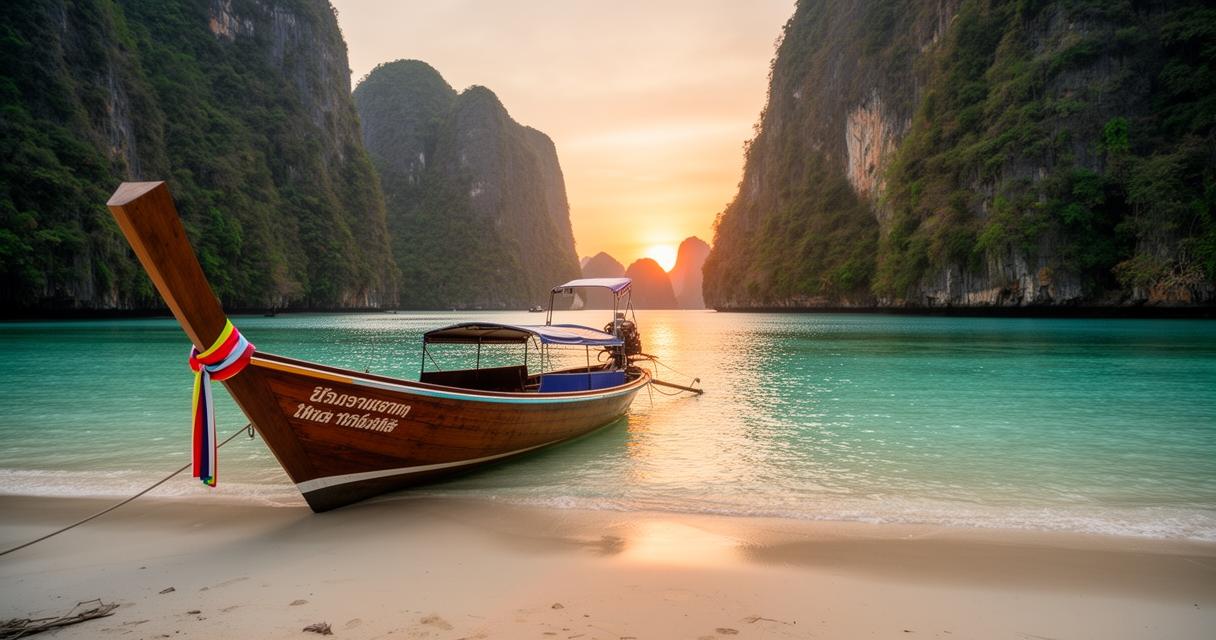
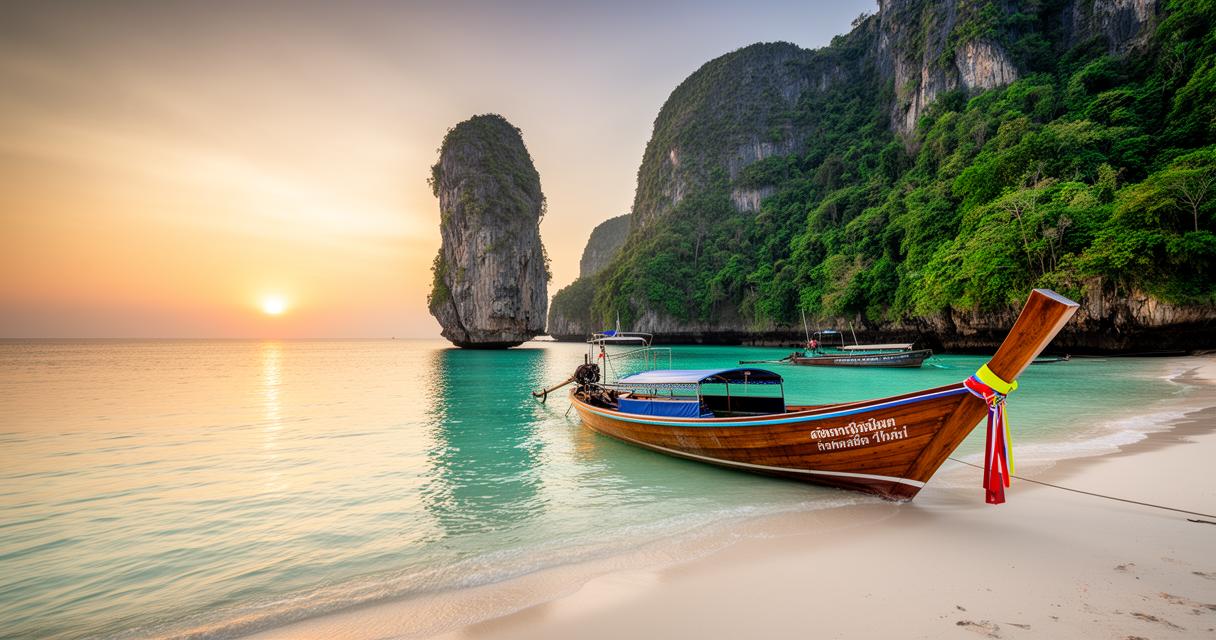
Thailand's southern peninsula tells an entirely different story, one written in limestone karsts and turquoise water. Krabi remains one of the most visually arresting regions in the country, with its dramatic cliffs rising straight out of the Andaman Sea and its beaches framed by dense jungle. Railay Beach, accessible only by boat, has become something of a pilgrimage site for climbers and sunset chasers alike. What makes Krabi particularly compelling is the growing emphasis on sustainable tourism, with local operators increasingly promoting responsible snorkelling practices and coral protection efforts to preserve the very landscapes that draw visitors in the first place.
Koh Samui and Pai: Balancing Tourism with Environmental Responsibility
Further along the coast, Koh Samui presents a slightly more developed alternative, with its mix of luxury resorts and quieter fishing villages still clinging to their original character. The island's rapid growth has sparked important conversations about environmental responsibility, from waste management to coral reef conservation, and many visitors now actively seek out eco-conscious accommodations and tour operators. This shift towards mindful travel mirrors a broader trend across Thailand, where communities are learning to welcome tourism without allowing it to erode the natural beauty that makes these places so special.
Embracing Thai Culture: Navigating Local Customs, Cuisine, and Practical Considerations for First-Time Visitors
Understanding thai traditions, cuisine, and cultural sensitivities including lese majeste laws
No exploration of Thailand would be complete without addressing its rich cultural fabric, which is deeply intertwined with Buddhist tradition and respect for the monarchy. Visitors quickly learn that Thai cuisine is far more than pad thai and green curry; it's a complex, regional tapestry of flavours ranging from the fiery dishes of Isaan to the coconut-rich curries of the south. Sharing a meal with locals often reveals as much about the culture as any temple visit could. It's equally important, however, to understand certain legal and cultural boundaries, particularly the country's strict lese majeste laws, which prohibit any criticism of the royal family and are enforced rigorously. Respecting this, alongside customs such as removing shoes before entering temples or homes, goes a long way toward building genuine connections with local communities.
Practical tips: managing your baht, staying safe, and making thailand your second home
On a practical level, Thailand remains refreshingly accessible for travellers of all budgets. The local currency, the baht, stretches comfortably whether you're dining at street stalls or booking a beachfront bungalow, and ATMs are widely available even in smaller towns. As with any destination, common-sense precautions around petty crime and scams, particularly in busy tourist areas, are worth keeping in mind, though serious safety concerns remain relatively rare for visitors who stay alert and informed.
For those weighing up whether to return again and again, or even consider a longer stay, Thailand offers a compelling case. Between its rivers, temples, mountains and coastline, the country manages to feel both endlessly varied and deeply familiar. It's little wonder that so many first-time visitors leave already planning their next trip, quietly convinced they've found somewhere worth calling a second home.